

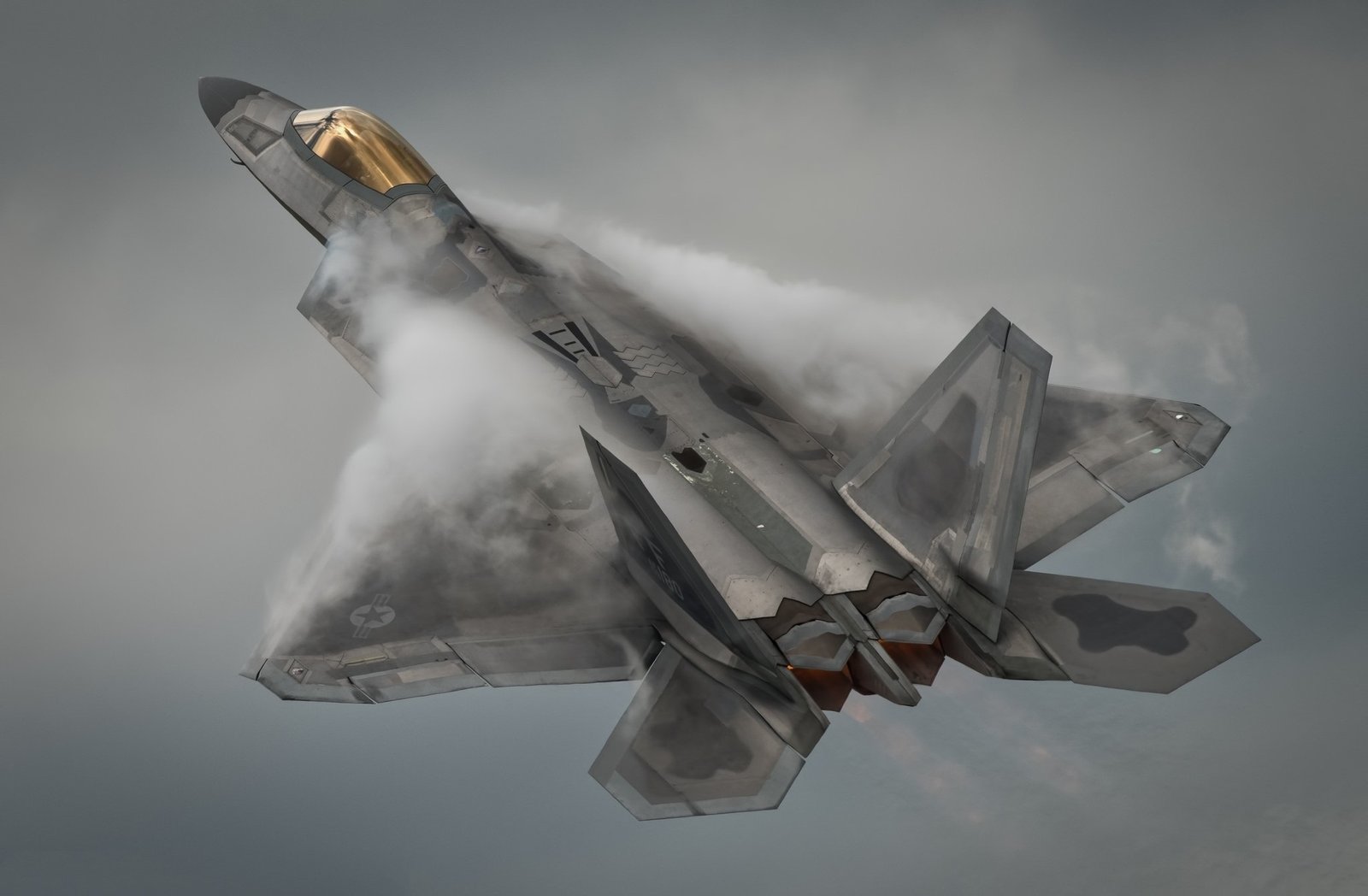
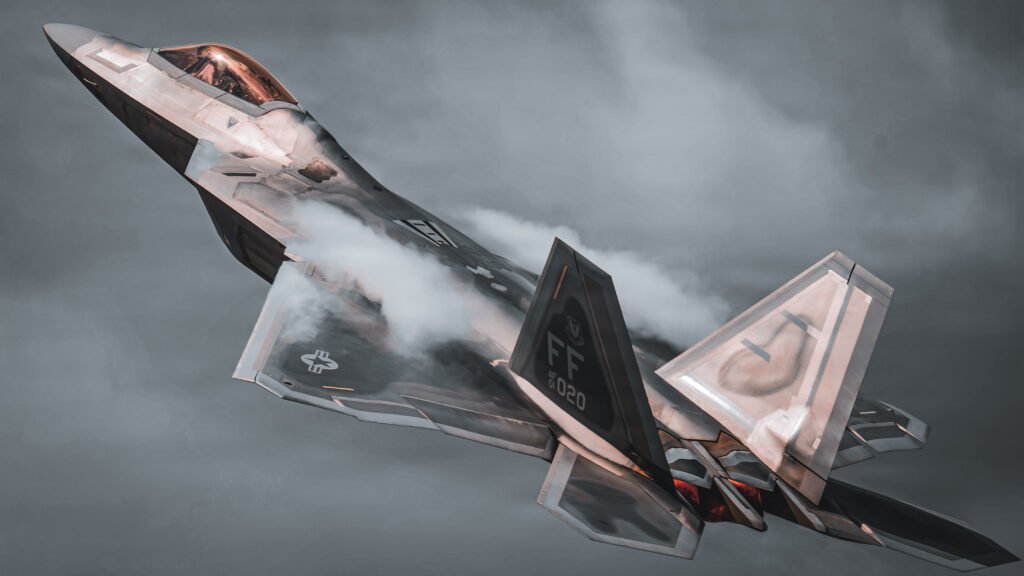
I’ve spent over a decade on flight lines from Langley to Kadena, and if there’s one question that constantly buzzes in the hangars, it’s: Why USA does not sell F-22 Raptors to even its most trusted allies.
I remember a conversation with a Japanese defense attaché a few years back; the longing in his voice when he spoke about the Raptor was palpable. To the world, the F-22 is the ultimate “forbidden fruit” of aviation.
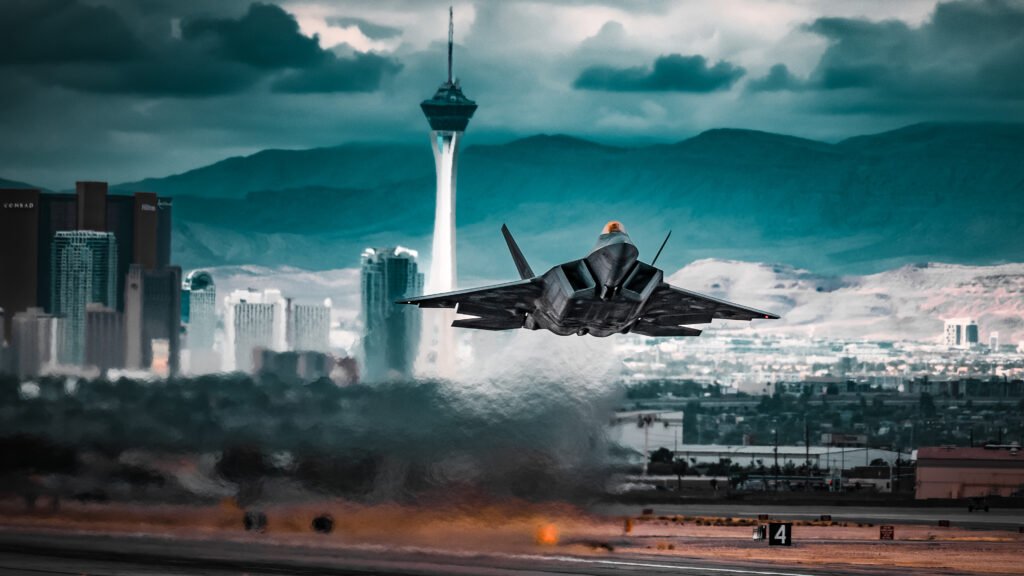
While the F-35 is being shipped globally like the latest iPhone, the F-22 remains locked in a vault. Let’s pull back the curtain on the legal, technical, and financial reasons why this apex predator will never wear a foreign flag.
1. The Obey Amendment: The Legal Padlock
The primary reason why USA does not sell F-22 technology comes down to a specific piece of law: The Obey Amendment. In 1998, Congressman David Obey was so concerned about the jet’s revolutionary stealth and sensor suites falling into the wrong hands—or being reverse-engineered—that he added a provision to the defense budget specifically banning its export.
Unlike other jets, there is no “export version” of the Raptor. To make one, the U.S. would have to strip out the very things that make it a Raptor.
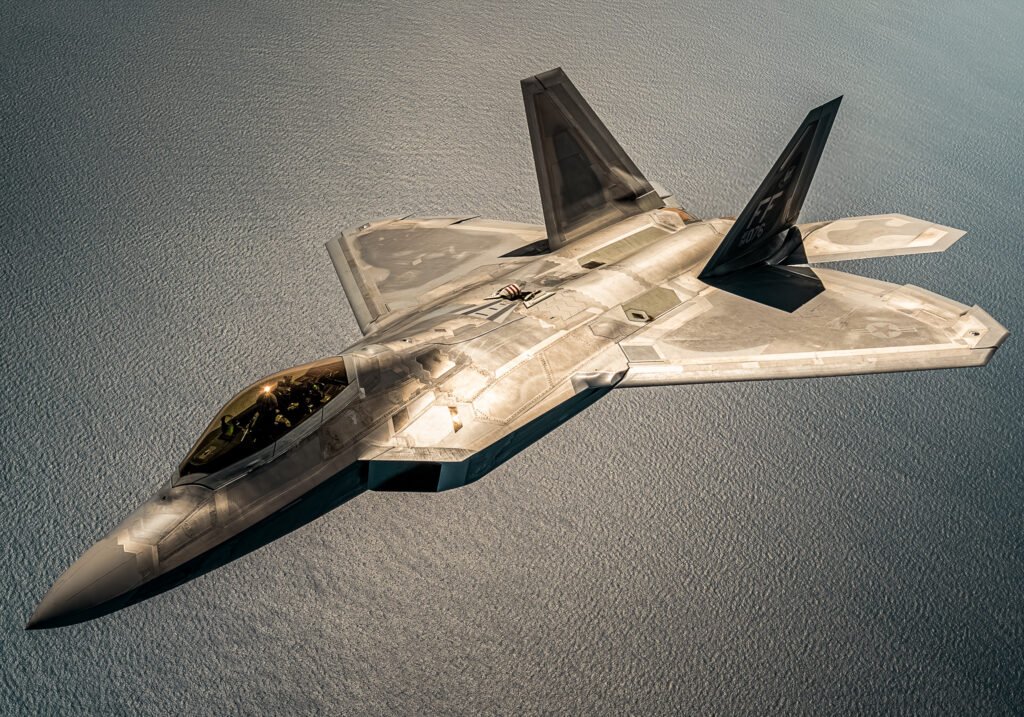
So why is the F-22 Raptor—a jet that first flew during the Clinton administration—still the only bird the U.S. refuses to export? Let’s cut through the PR fluff and look at the cold, hard reality of why this jet will never wear foreign roundels.
2. The “Secret Sauce” of Stealth
When you’ve covered military tech as long as I have, you learn that stealth isn’t just about the shape of the plane; it’s about the chemistry. The F-22 uses a highly classified Radar Absorbent Material (RAM) coating.
- The Risk: If a single Raptor was captured or even if a friendly nation’s security was compromised, the “recipe” for that coating could leak.
- The Advantage: The F-22’s radar cross-section is reportedly the size of a marble. Maintaining that advantage is the top reason why USA does not sell F-22 airframes abroad.
3. Supercruise and Kinetic Dominance
The Raptor’s Pratt & Whitney F119 engines allow it to “Supercruise”—maintaining Mach 1.5+ without afterburners. Most jets have to “dump fuel” to go supersonic, lighting up infrared sensors like a Christmas tree. The Raptor does it silently and efficiently. In my interviews with pilots, they describe this as a “kinetic cheat code” that the U.S. isn’t ready to share with the rest of the world.
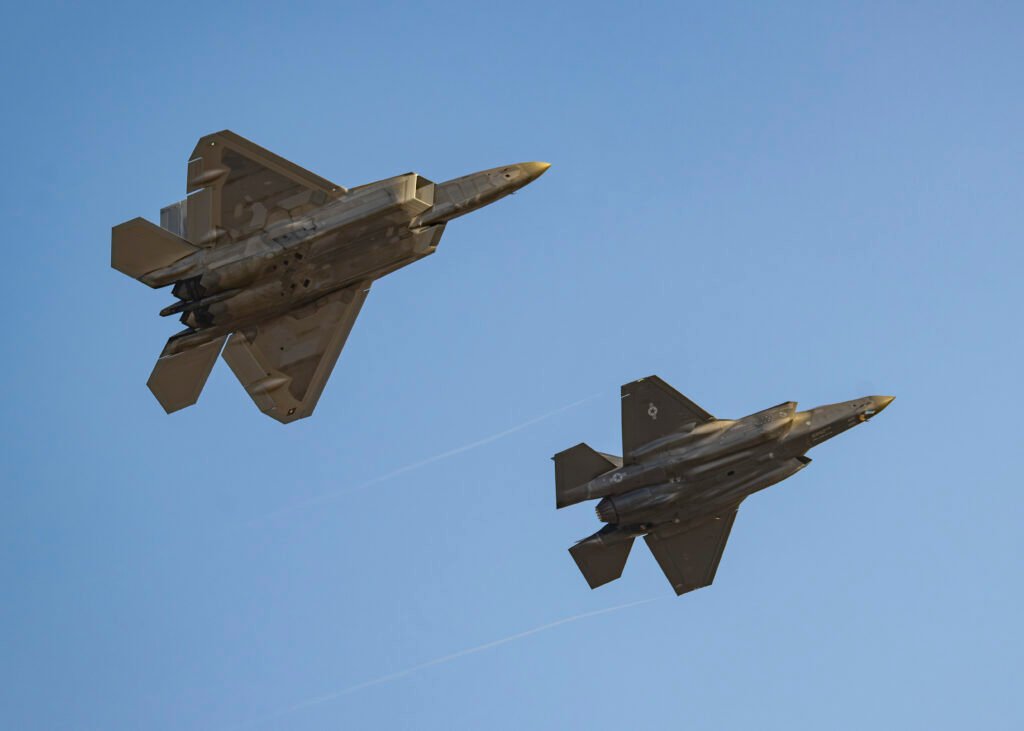
4. The F-35 vs. F-22 Dilemma
People often ask, “If the F-35 is newer, why sell it?” It’s simple: The F-35 was designed for export. It was a coalition project from day one. The F-22 was designed during the Cold War with one goal: total, unmitigated air dominance for the U.S. Air Force alone.
| Feature | F-22 Raptor | F-35 Lightning II |
| Mission | Air Superiority | Multi-Role Strike |
| Stealth | High-Altitude Optimized | Multi-Spectral Optimized |
| Speed | Mach 2.25 | Mach 1.6 |
| Availability | Strictly Domestic | Global Partners |
5. The $50 Billion Heartbreak
By the time countries like Japan or Israel started waving their checkbooks, the F-22 production line was already being shut down. In 2011, the final Raptor rolled off the line.
- The Cost: A 2017 study found that restarting the line for an export variant would cost an eye-watering $50 Billion.
- The Logistics: The specialized tools and “tribal knowledge” of the workers are gone. It’s not just a matter of reopening a factory; it’s a matter of rebuilding an entire industrial ecosystem.
6. Protecting the Future (NGAD)
As we look toward 2026 and beyond, the U.S. is already testing 6th-generation fighters (NGAD). Much of the “DNA” of the F-22 is being used as the foundation for these new secrets. If the U.S. exported the Raptor now, they would essentially be giving away the blueprints for the next 30 years of air warfare.
Conclusion: The Lonely King
Ultimately, the reality of why USA does not sell F-22 Raptors is a mix of Cold War paranoia, brilliant engineering, and a very expensive legal padlock. It remains the only jet in history deemed “too good to share.”
For those of us who live and breathe aviation, the Raptor is a reminder that some secrets are worth keeping, no matter the price.